


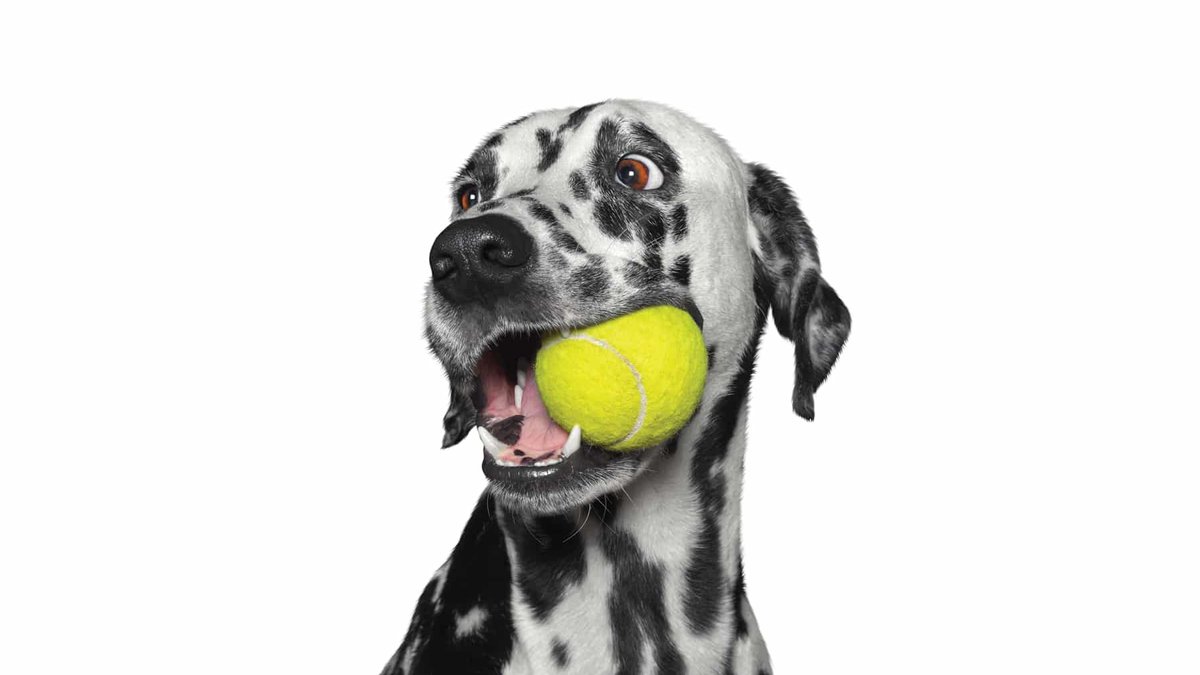
Why do dogs go crazy for tennis balls? The answer lies in a mix of biology and physics. Dogs love the bright yellow-green color, erratic bounce, and fuzzy texture. These features trigger natural prey drives, making the toy perfect for mental and physical stimulation. The size is also ideal, roughly 2.7 inches in diameter, which allows a dog to hold it comfortably while ensuring it is too large to swallow easily. This combination of factors reinforces the positive bond between the dog and the owner during fetch sessions.
The Science of the Scent and Sight
Dogs see the world differently than humans do. They have dichromatic vision, relying on two types of cones instead of the three found in people. This means they perceive the world in shades of yellow, blue, and gray, but cannot distinguish red from green. The bright yellow color of most tennis balls stands out vividly against a green grass background, making the toy highly visible to a canine’s eyes. This visual clarity is a primary reason why dogs are so quick to spot and chase the object across a field.
Beyond sight, the physical characteristics of the ball engage a dog’s other senses. The fuzzy, felt-covered surface provides a specific texture that feels satisfying to grip and chew. The erratic bounce of the ball mimics the movement of prey, which stimulates a dog’s instinct to chase, catch, and retrieve. This activity satisfies their desire for mental and physical challenges. The size of the ball is also key; it is small enough to be carried in the mouth but large enough to be safe for most dogs to chew on without immediate risk of choking.
Hidden Dangers in the Fuzzy Surface
While the appeal is clear, experts suggest reconsidering the standard tennis ball. The felt covering, while durable, acts like sandpaper on a dog’s tooth enamel. Over time, this abrasion can wear down the protective layer of the teeth. If a dog chews the ball into pieces, the small fragments pose a significant choking hazard and can cause intestinal blockages. Switching to a durable rubber alternative designed specifically for dogs can protect their long-term dental health.
The obsession with the toy is rooted in biology, but the physical toll it takes on a dog’s body is a practical concern. A rubber ball designed for dogs offers the same engagement without the abrasive texture. This simple change ensures the animal continues to enjoy the activity they love without suffering long-term damage.


