


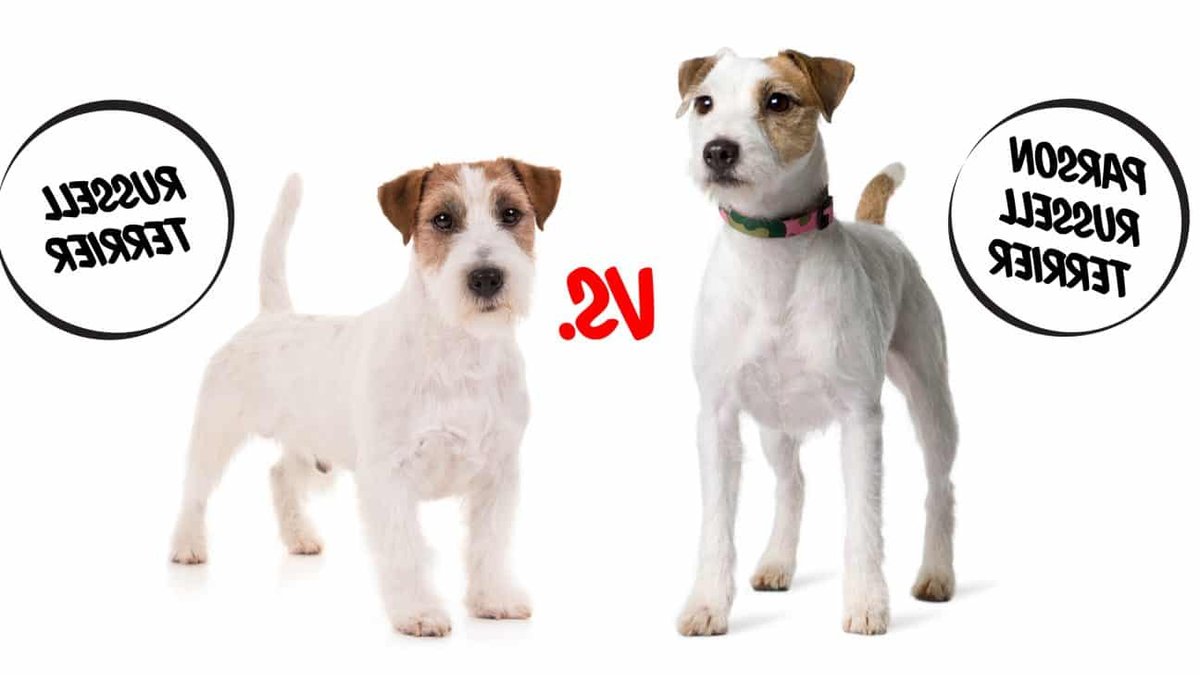
Confusion over the names is common for dog owners. While people often use the terms interchangeably, the American Kennel Club recognizes three distinct breeds: the Parson Russell Terrier, the Jack Russell Terrier, and the Russell Terrier. To the AKC, the first two are actually the same animal, just with a name change. This distinction matters for registration and pedigree purposes.
The name change and the original lineage
The Parson Russell Terrier is the AKC’s official name for the breed formerly known as the Jack Russell Terrier. The American Kennel Club lists the Jack Russell Terrier and the Parson Russell Terrier as identical in standard and appearance. The name change occurred in 2004 to differentiate the breed from other small terriers that shared the popular nickname but did not meet strict registration criteria. The Jack Russell Terrier Club of America, however, maintains its own registry and standard, refusing to accept the official name change.
These dogs share a common ancestry with the Fox Terrier, an English breed developed in the 18th century. Hunters required tough, energetic dogs to locate foxes in their dens. Early Fox Terriers were larger and more varied in appearance than the streamlined dogs seen today. A white coat was preferred to help handlers spot the animals during hunts, but early breeders focused primarily on temperament and working ability rather than strict physical conformity.
The breed’s history is tied to Reverend John “Jack” Russell, a clergyman and avid fox hunter who sought a smaller, more agile dog. He valued a small, tireless terrier that could enter dens to chase out prey. His breeding efforts produced a distinct type of dog with high energy and a strong prey drive, though he did not create a formal standard. The lineage traces back to a white-and-tan terrier named Trump, considered the foundation of the breed.
Size differences and physical traits
The Russell Terrier is a smaller variation of the Parson Russell Terrier. The AKC recognized the Russell Terrier in 2012, distinguishing it from the taller Parson Russell. The Parson Russell Terrier has an ideal height of 14 inches for males and 13 inches for females, with a rectangular, medium-boned body. The Russell Terrier stands between 10 and 12 inches at the withers, making it more compact.
Related: Common Human Habits That Irritate Dogs, Experts Advise
Coat types also differ slightly. The Parson Russell typically has a hard, wiry coat that is straight or slightly waved. Colors usually include white, predominantly white with black or tan markings, or tri-color. The Russell Terrier can have a smooth, broken, or rough coat. The AKC requires Russell Terriers to be at least 51 percent white, though markings are less of a priority than in the Parson variety.
Head shape and ears also vary. The Parson Russell has a moderately narrow muzzle with a defined stop where the forehead meets the nose. Its ears drop forward close to the cheeks. The Russell Terrier has a slightly broader, flatter head with a well-defined stop and small V-shaped ears that fold forward close to the head.
Both breeds are intelligent, agile, and tenacious, traits inherited from their hunting days. They are independent by nature, which can make training a challenge. Owners must use positive reinforcement and patience to manage their stubborn streak. These dogs require significant mental and physical stimulation to remain happy. Without it, they can become destructive.
Because of their high energy and alertness, these dogs bark frequently. They are not suited for a quiet household and will alert owners to every arrival. Their digging instinct is also strong, stemming from their history of rooting out quarry. This tendency can damage gardens and yards. While they are affectionate and playful with families, their high energy and territorial instincts mean supervision is necessary, especially around young children or other pets. Owners should provide secure, fenced-in space and plenty of exercise.
Owners must provide appropriate outlets for these dogs’ natural behaviors. Engaging with a pet’s instincts helps maintain a happy household. For instance, finding suitable toys that satisfy a dog’s urge to dig and chase can mitigate destructive habits in the home. Selecting the right playthings is essential for a well-adjusted companion. Selecting the right playthings is essential for a well-adjusted companion.

