


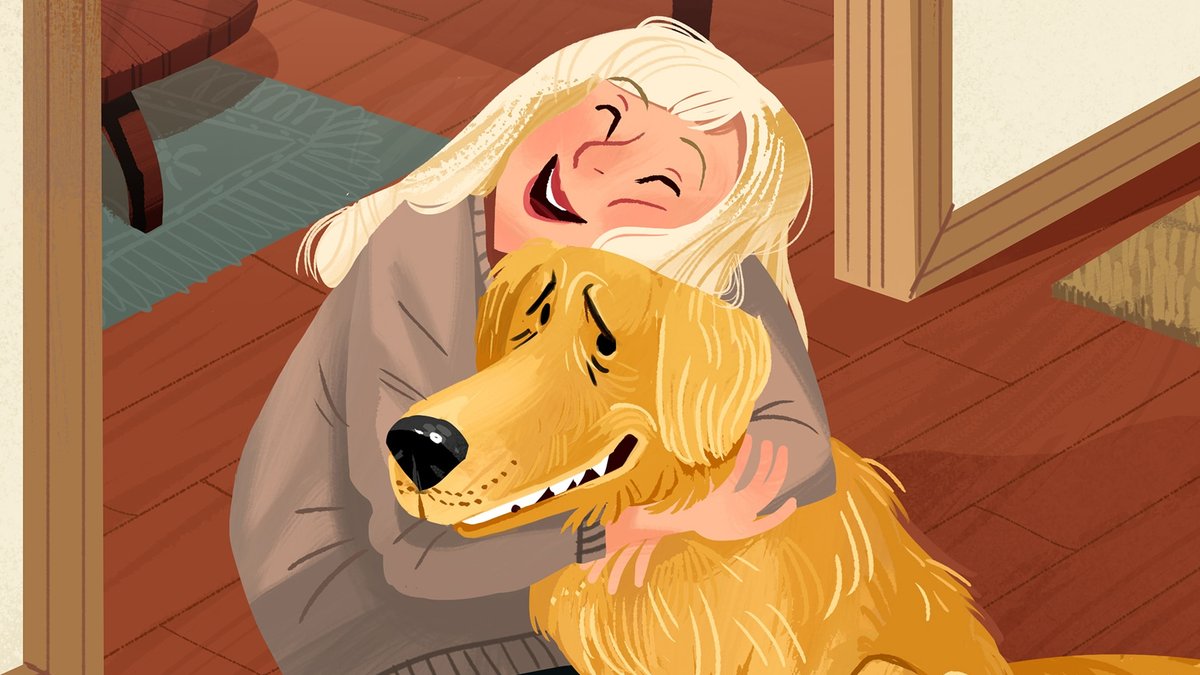
Despite our love of dogs, we humans sometimes do things that annoy the heck out of them. Though almost always unintentional, these things can nevertheless be irritating or even detrimental. Just as many dogs don’t initially grasp that certain canine behaviours might annoy us—sniffing a person in a private spot or jumping up on strangers come to mind—we too make gaffes that can worry, annoy or even anger our dogs. The following 12 annoying human habits are common breeches of canine custom. Might you be guilty of a few? Read on to see if your rapport with dogs could use some improvement. Why Dogs Get Annoyed By Human Behaviour Dogs and humans don’t always speak the same “language,” and that mismatch can lead to frustration on both sides. Many behaviors people see as friendly—like hugging, staring, or talking loudly—can feel confusing or even threatening to dogs. Because dogs rely heavily on body language and subtle cues, they may become stressed when humans ignore or misread those signals. Understanding these differences is the first step to building a calmer, more trusting relationship with your dog. 1. Staring Into Your Dog’s Eyes To a dog, stares often translate to challenge. Just watch your dog when he spots a squirrel—her level of fixation isn’t friendly interest. The last thing you should do is stare too long at a dog. Though you’ll probably have no problem with your own dog (note they still likely won’t love it), with others it might be interpreted as a challenge. Instead, ask people to look into your dog’s eyes for only a few seconds then break off. And never stare into the eyes of a dog who seems worried, edgy or aggressive! Your dog probably won’t mind regular hugs from you. But many dogs get annoyed at tight hugging, especially from strangers or children. Unlike primates, canines have no history of grasping each other to show affection. In fact, when a dog puts its paws or body onto another dog, it is usually an attempt at domination or control. So unless your dog eagerly enjoys being hugged, tell friends and family to opt for gentle petting instead. 3. Yelling or Raising Your Voice Yelling is interpreted by your dog as angry barking, which to her means trouble. As a training technique, it works poorly to shut down bad behaviours and only serves to scare, confuse or agitate. Instead of yelling, stay calm and think tone. A deep tone to your voice means, “Hey, I’d like your attention,” while a lighthearted tone means “Good job!” or “Let’s play.” By adjusting vocal tone instead of volume, you’ll get your dog’s attention without annoying or scaring her. 4. Teasing or Playing Too Rough Children can be especially guilty of teasing a dog. Barking back at them behind a fence, pulling on tails or ears, or even chasing after or wrestling with an unwilling dog are certainly annoying and can make dogs shy, insecure or even aggressive. Moving a dog’s dish while he eats, playing keep-away without ever letting the dog have the toy, or even endless laser pointer sessions can drive a dog bonkers, so lay off the teasing and be sure to reward your dog quickly after he performs a behaviour correctly. Dogs are social animals and you and your family members comprise your dog’s pack. Dogs left alone in a home or yard for ten or more hours each day can develop a myriad of behavioural and psychological issues, including separation anxiety, excessive barking or digging, destructive behaviour, or escaping. They can even lose housetraining skills and in the process trash your home. Your dog is a member of your family and, as such, needs to spend time with you. If you work during the day and no one else can be home, ask a friend or neighbour to stop by once each day to take her for a walk. If that’s not possible, be sure to spend quality time with her when you return. A walk, a round of fetch—whatever makes her happy. When you are home, let your dog be around you. Interaction with others is critical to your dog’s wellbeing, so, however you do it,

