


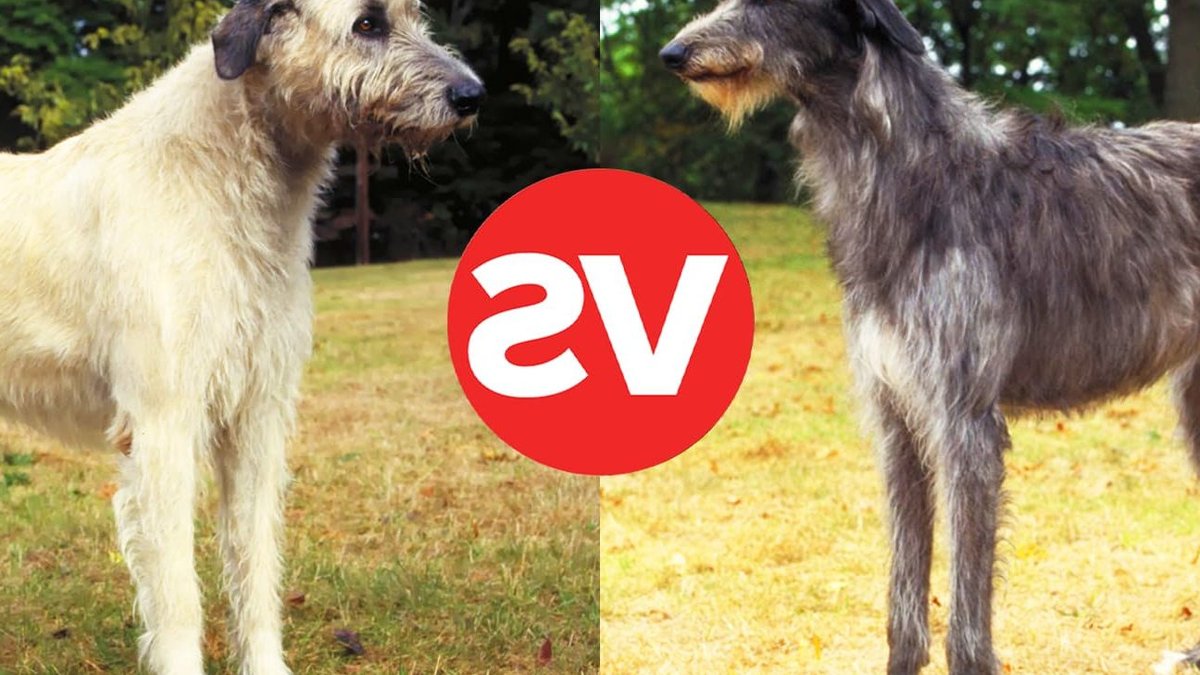
The difference between the Scottish Deerhound and the Irish Wolfhound often confuses prospective owners, but the two giants have distinct histories, sizes and temperaments.
Size and Build: How the Two Giants Compare
The smaller dog typically reaches 28–32 inches at the shoulder, while the larger counterpart stands 30–34 inches. Height alone hints at the variance in overall presence.
Weight ranges also separate them: the former weighs between 75–110 pounds, the latter tips the scales at 105–120 pounds. Those numbers translate into different space requirements at home.
In silhouette, the smaller type shows a sleek, athletic frame reminiscent of a graceful racer, whereas the larger hound presents a sturdier, more powerful outline. Its gait is almost like a lazy river, moving with surprising ease despite bulk.
Beyond mere measurements, the Deerhound’s build reflects its lineage as a swift sight‑hound, built for covering ground quickly during deer pursuits. The Wolfhound, while taller, carries a more muscular contour that speaks to its historic role in subduing formidable prey such as wolves and the massive Irish elk. This structural distinction influences how each breed handles obstacles, with the Deerhound often displaying a lighter, spring‑like step and the Wolfhound offering a steady, ground‑hugging stride.
Coat, Care and Temperament
Both animals sport a harsh, wiry outer layer, yet the smaller hound’s coat tends toward grey, brindle or blue shades, while the larger can appear in grey, fawn or black. For details, see the Scottish Deerhound entry and the Irish Wolfhound page.
Grooming needs are modest: occasional brushing and a bath now and then keep the outer coat tidy. Neither type demands professional trimming.
The smaller hound carries a quiet, dignified demeanor at home but may chase any passing animal, so a leash or fenced yard is advisable. Its personality is gentle yet alert.
The larger hound is famed for a calm, affectionate nature, often called a gentle giant. Historically it guarded castles and hunted wolves, instincts that still surface as a sudden chase drive.
The Deerhound’s coat is not uniform across the body; the hair covering the head, chest and belly is noticeably softer, providing a pleasant texture when the dog is petted. In contrast, the Wolfhound’s harsh exterior extends more evenly over its frame, which is why regular brushing is emphasized to keep the fur from matting.
Temperamentally, the Deerhound tends toward reserved friendliness, thriving in households that can match its need for vigorous activity. The Wolfhound, while equally sociable, often adopts a more laid‑back stance, preferring leisurely strolls and the occasional burst of enthusiasm when something catches its eye.
Looking ahead, owners might find that the smaller dog’s need for regular, vigorous exercise aligns with active families, while the larger hound prefers moderate walks and a more laid‑back routine.
Lifespan differs as well: the smaller type averages 8–11 years, whereas the larger typically lives 6–10 years. Health considerations often mirror these ranges.
Both are recognized by the American Kennel Club, with the smaller type admitted in 1886 and the larger in 1897. Their official status reflects long‑standing popularity among enthusiasts.
Looking into their origins, the Scottish Deerhound emerged in the 16th and 17th centuries under names such as Scotch Greyhound, Rough Greyhound and Highland Deerhound. Its reputation as the premier deer‑pursuer earned it a place exclusively in the hands of the aristocracy, a privilege that cemented its image as a noble companion. The breed’s aptitude for lure coursing today showcases the same instinctive speed and focus that once made it indispensable on the Scottish moors.
The Irish Wolfhound’s lineage stretches back to Roman records from 391 A.D., where it appears as a prized royal gift. Throughout medieval history it served multiple roles: a battlefield ally, a castle guard, a playmate for children, and a steadfast presence by the hearth. Its hunting prowess was so effective that the very species it targeted—wolves and the Irish elk—vanished from the island, leading to a dramatic decline in the breed’s numbers by the nineteenth century.
Both breeds belong to the Hound Group, a classification that shows their shared scent‑and‑sight hunting heritage. Yet each retains a cultural imprint: the Deerhound is woven into Scottish folklore and historic portraiture, while the Wolfhound occupies a legendary slot in Irish myth, often depicted alongside warriors and kings.
Practical considerations echo these histories. The Deerhound’s athletic nature makes it a natural participant in modern coursing events, demanding ample open space for sprinting. The Wolfhound’s imposing stature translates to logistical needs such as a larger vehicle for transport and a spacious living area where it can stretch without feeling confined. Understanding these nuances helps prospective owners match the breed’s innate characteristics with their lifestyle, ensuring a harmonious partnership that honors centuries of tradition.


